
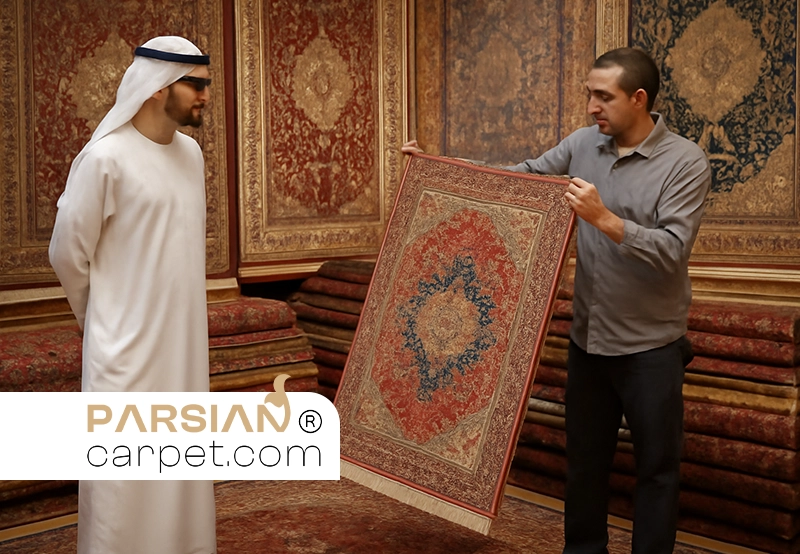
Iranian carpets are celebrated worldwide for their intricate designs, superior craftsmanship, and deep cultural significance, making them a prized commodity in the luxury markets of Gulf Cooperation Council (GCC) countries, including the UAE, Saudi Arabia, Qatar, Kuwait, Bahrain, and Oman. These nations, with their affluent economies and appreciation for artistry, offer a vibrant market for Iranian carpets.
Why Iranian Carpets Thrive in Gulf Countries
The Gulf region’s cultural affinity with Persian heritage and its booming luxury sector make it an ideal market for Iranian carpets. Key factors driving their popularity include:
- Cultural Resonance: Shared historical and aesthetic ties between Iran and the Gulf create a strong appreciation for Persian craftsmanship.
- Luxury Demand: The region’s affluent consumers seek high-end decor, positioning Iranian carpets as status symbols in homes, offices, and hotels.
- Investment Value: Handwoven carpets from regions like Kashan and Qom are valued as collectibles, appreciating over time.
These factors make the Gulf a lucrative destination for exporters of Iranian carpets.
Market Dynamics in Gulf Countries
-
Demand and Consumer Preferences
The demand for Iranian carpets in the Gulf varies by country and consumer segment:
- UAE (Dubai and Abu Dhabi): Favors luxurious silk carpets from Qom or Kashan with intricate floral or modern minimalist designs, ideal for upscale homes and hotels.
- Saudi Arabia (Riyadh and Jeddah): Prefers large, traditional carpets from Isfahan or Tabriz with bold colors like red and gold, often used in grand living spaces or mosques.
- Qatar: Seeks a mix of contemporary and classic designs, with a focus on high-quality wool or silk carpets for cultural institutions and private residences.
- Kuwait and Bahrain: Values mid-sized carpets with vibrant patterns, balancing affordability and luxury for middle-class and affluent buyers.
- Oman: Appreciates tribal designs from Qashqai or Baluch, reflecting a preference for rustic, authentic aesthetics.
Understanding these preferences allows exporters to tailor their offerings to each market.
-
Key Market Segments
Iranian carpets cater to diverse segments in the Gulf:
- Luxury Homeowners: Affluent families use carpets to enhance villas and apartments, seeking premium designs from Kashan or Qom.
- Hospitality Sector: Hotels and restaurants in Dubai, Doha, and Riyadh incorporate Iranian carpets to create opulent interiors.
- Collectors and Investors: High-end buyers in the UAE and Saudi Arabia purchase rare carpets as investments, particularly silk pieces from Qom.
- Cultural Institutions: Museums and cultural centers in Qatar and Oman use carpets to showcase Persian heritage.
These segments drive consistent demand for Iranian carpets across the region.
Challenges in the Gulf Market
Despite strong demand, exporters face challenges when selling Iranian carpets in Gulf countries:
- Competition: Local and Turkish carpets, along with machine-made alternatives, offer lower prices, challenging the premium positioning of Iranian carpets.
- Import Regulations: Strict customs requirements, including certifications and tariffs, can complicate trade, particularly in Saudi Arabia and the UAE.
- Logistics: High humidity and temperature in the Gulf require careful packaging to prevent damage to delicate materials like silk.
- Evolving Tastes: Younger consumers in urban centers like Dubai prefer modern designs, requiring exporters to adapt traditional patterns.
Opportunities for Growth
The Gulf market offers significant opportunities for Iranian carpets:
- Rising Affluence: Growing wealth in the UAE, Qatar, and Saudi Arabia fuels demand for luxury goods, including handwoven carpets.
- Cultural Events: Exhibitions and trade fairs in Dubai and Doha provide platforms to showcase Iranian carpets to affluent buyers.
- Digital Marketplaces: Online platforms and social media allow exporters to reach Gulf consumers directly, especially in tech-savvy markets like the UAE.
- Sustainability Appeal: The eco-friendly production of Iranian carpets, using natural dyes and materials, attracts environmentally conscious buyers.
By capitalizing on these opportunities, exporters can strengthen their market presence.
Strategies for Success in the Gulf Market
To thrive in the Gulf market, exporters and traders of Iranian carpets can adopt these strategies:
-
Tailor Designs to Preferences:
- Offer modern, minimalist patterns for urban buyers in Dubai and Doha.
- Provide traditional, ornate designs for Saudi Arabia and Oman’s cultural markets.
- Stock a range of sizes, from small decorative rugs to large statement pieces, to suit diverse needs.
-
Ensure Authenticity:
- Provide certificates of origin to verify the handwoven quality of Iranian carpets, building trust with Gulf buyers.
- Highlight the craftsmanship of regions like Tabriz, Kashan, and Qom to emphasize value.
-
Optimize Packaging and Logistics:
- Use waterproof and breathable packaging to protect carpets from Gulf humidity.
- Partner with reliable shipping companies to ensure safe, timely delivery.
-
Leverage Cultural Marketing:
- Promote the heritage and artistry of Iranian carpets through storytelling, appealing to Gulf consumers’ appreciation for tradition.
- Participate in regional art fairs and cultural exhibitions to showcase carpets.
-
Navigate Regulations:
- Research import laws for each Gulf country to streamline customs processes.
- Work with local distributors to handle documentation and compliance.
-
Offer Competitive Pricing:
- Provide bulk discounts or flexible payment terms to attract distributors and retailers.
- Balance premium pricing for luxury carpets with affordable options for broader markets.
Why the Gulf Market Is Ideal for Iranian Carpets
The Gulf countries offer a unique combination of cultural appreciation, economic prosperity, and demand for luxury goods, making them an ideal market for Iranian carpets. Their versatility—fitting both modern and traditional interiors—ensures broad appeal. Additionally, the region’s growing tourism and hospitality sectors create demand for high-quality carpets in hotels, restaurants, and cultural venues. By addressing challenges and leveraging opportunities, exporters can tap into this thriving market.
Conclusion
The market for Iranian carpets in Gulf countries is vibrant and full of potential, driven by cultural affinity, luxury demand, and investment value. While challenges like competition and logistics exist, strategic approaches—such as tailoring designs, ensuring authenticity, and optimizing logistics—can lead to success. By understanding the unique preferences of each Gulf nation, exporters can position Iranian carpets as must-have items for homeowners, businesses, and collectors, reinforcing their status as timeless symbols of Persian artistry.