

Iranian carpets are celebrated worldwide for their intricate craftsmanship, vibrant colors, and cultural significance, making them a timeless addition to home decor. In the Middle East, where tradition and modernity blend seamlessly, Iranian carpets have emerged as a key element in contemporary interior design. This article explores how Iranian carpets enhance modern Middle Eastern homes, offering elegance, versatility, and cultural depth. Perfect for homeowners, designers, and decor enthusiasts, this guide highlights the unique role of Iranian carpets in transforming living spaces.
Why Iranian Carpets Resonate in the Middle East
The Middle East, with its rich cultural heritage and appreciation for artistry, provides a natural stage for Iranian carpets. Their appeal lies in:
- Cultural Connection: Shared histories and aesthetic values across the region make Iranian carpets a cherished choice in countries like the UAE, Qatar, and Saudi Arabia.
- Luxury Appeal: Handwoven with premium materials like wool and silk, these carpets elevate interiors with a touch of opulence.
- Versatility: From traditional to modern designs, Iranian carpets adapt to diverse decor styles, complementing the region’s evolving tastes.
As Middle Eastern homes embrace modern aesthetics, Iranian carpets bridge the gap between heritage and contemporary living.
How Iranian Carpets Enhance Modern Middle Eastern Decor
Iranian carpets bring unique qualities to modern home interiors, blending functionality with artistic flair. Below are the key ways they contribute to contemporary Middle Eastern decor:
-
Adding Warmth and Texture
Modern interiors often feature sleek surfaces like marble, glass, or polished wood, which can feel cold or impersonal. Iranian carpets counterbalance this by:
- Introducing Soft Textures: Wool or silk carpets from regions like Kashan or Kerman add warmth and comfort to minimalist spaces.
- Creating Focal Points: A vibrant Tabriz carpet with floral motifs can anchor a living room, drawing attention and adding depth.
- Enhancing Coziness: In open-plan homes popular in the UAE and Qatar, carpets define seating areas, making spaces feel inviting.
-
Blending Tradition with Modernity
Middle Eastern homeowners value designs that honor heritage while fitting modern lifestyles. Iranian carpets excel in this balance:
- Traditional Patterns: Medallion and arabesque designs from Isfahan or Kashan complement classic Middle Eastern decor elements like ornate furniture or chandeliers.
- Modern Adaptations: Minimalist Qom silk carpets with geometric patterns or neutral tones suit contemporary interiors in urban centers like Dubai or Riyadh.
- Cultural Storytelling: Each carpet carries Persian narratives, adding authenticity to homes that celebrate regional identity.
-
Versatility in Design and Function
Iranian carpets are available in a range of styles, sizes, and colors, making them adaptable to various spaces:
- Living Rooms: Large carpets (4x6m) from Isfahan create a luxurious centerpiece for open-plan layouts.
- Bedrooms: Smaller rugs (2x3m) from Qom or Baluch add warmth and elegance to intimate spaces.
- Commercial Spaces: Hotels and offices in the Middle East use Iranian carpets to convey sophistication, especially in lobbies or meeting rooms.
Their versatility ensures they fit both compact apartments and sprawling villas across the region.
-
Color Harmony and Visual Impact
The vibrant yet balanced color palettes of Iranian carpets enhance modern decor:
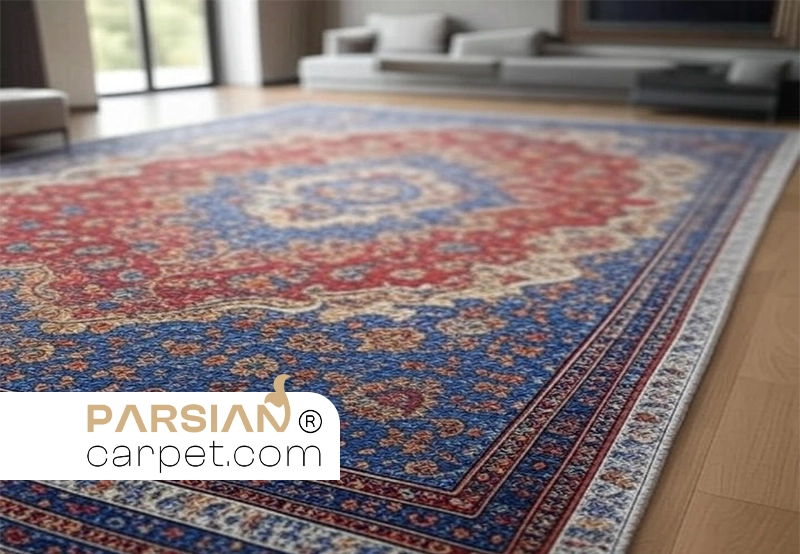
- Rich Hues: Traditional reds, blues, and golds from Tabriz carpets complement the warm tones of Middle Eastern interiors.
- Neutral Tones: Modern designs in beige, ivory, or grey align with minimalist trends in cities like Doha or Abu Dhabi.
- Natural Dyes: The use of plant-based dyes ensures lasting vibrancy, adding a timeless quality to contemporary spaces.
These colors create visual harmony, tying together furniture, walls, and accessories.
Key Considerations for Incorporating Iranian Carpets
To maximize the impact of Iranian carpets in modern Middle Eastern homes, consider these tips:
-
Choose the Right Size
- Small Spaces: Opt for smaller rugs (1×1.5m to 2x3m) to add elegance without overwhelming compact rooms.
- Large Areas: Use oversized carpets (4x6m or larger) to define expansive living or dining areas, common in Middle Eastern villas.
- Layering: Combine multiple Iranian carpets for a trendy, eclectic look, especially in open-plan homes.
-
Match Design to Decor Style
- Minimalist Interiors: Select Qom or modern Kerman carpets with simple patterns or neutral colors to complement sleek furniture.
- Traditional Spaces: Choose intricate Tabriz or Kashan carpets to enhance ornate decor with chandeliers or carved wood.
- Eclectic Mix: Pair tribal Qashqai carpets with modern furniture for a bold, contemporary Middle Eastern aesthetic.
-
Ensure Authenticity
- Purchase Iranian carpets with certificates of origin to guarantee handwoven quality and cultural value.
- Source from reputable suppliers to avoid counterfeit products, ensuring the carpet’s longevity and investment potential.
-
Maintenance and Care
- Regular Cleaning: Vacuum gently and avoid harsh chemicals to preserve the natural dyes and fibers.
- Professional Care: Periodic professional cleaning ensures Iranian carpets remain vibrant and durable.
- Placement: Avoid high-traffic areas for delicate silk carpets to prevent wear.
Why Iranian Carpets Are a Timeless Choice
In the Middle East, where modern design trends coexist with cultural pride, Iranian carpets offer unmatched versatility. Their ability to blend tradition with contemporary aesthetics makes them ideal for:
- Luxury Homes: Affluent families in Dubai, Riyadh, or Doha use Iranian carpets to elevate interiors with elegance.
- Hospitality Sector: Hotels and restaurants across the region incorporate these carpets to create welcoming, upscale environments.
- Cultural Preservation: Homeowners value Iranian carpets for their ability to connect modern spaces with Persian heritage.
As Middle Eastern cities embrace global design trends, Iranian carpets remain a symbol of sophistication and authenticity.
Conclusion
Iranian carpets play a pivotal role in modern Middle Eastern home decor, offering a perfect blend of artistry, functionality, and cultural heritage. From adding warmth to minimalist spaces to serving as luxurious focal points, these carpets elevate interiors across the region. By carefully selecting sizes, designs, and authentic pieces, homeowners and designers can harness the timeless beauty of Iranian carpets to create stunning, modern spaces that honor the rich traditions of the Middle East.